
MESSAGES
THIS WEEK'S SERMON
A Life of Faithfulness
February 15, 2026
We live in a world that celebrates visibility, scale, and success—yet Jesus tells a story in Matthew 25 that reframes what actually matters. The Master doesn’t commend influence or outcomes; He says, “Well done, good and faithful servant.” Each servant receives a different entrustment, but the call is the same: steward what you’ve been given. Faithfulness means resisting comparison, surrendering entitlement at the cross, and trusting that what God places in your hands today is neither random nor small.

Faithfulness also unfolds over time. There are seasons of waiting that shape our trust, moments when doubt whispers and fear urges us to play it safe. But the gospel anchors us: the same Christ who entrusted you with your assignment has proven His character at the cross. So we refuse to bury what He’s given. We offer it back—our time, gifts, influence, resources—and trust Him to multiply it for His purposes. And in the end, the reward is not status but relationship: sharing in the joy of the Master, right here and ultimately forever.
-
PREACHER
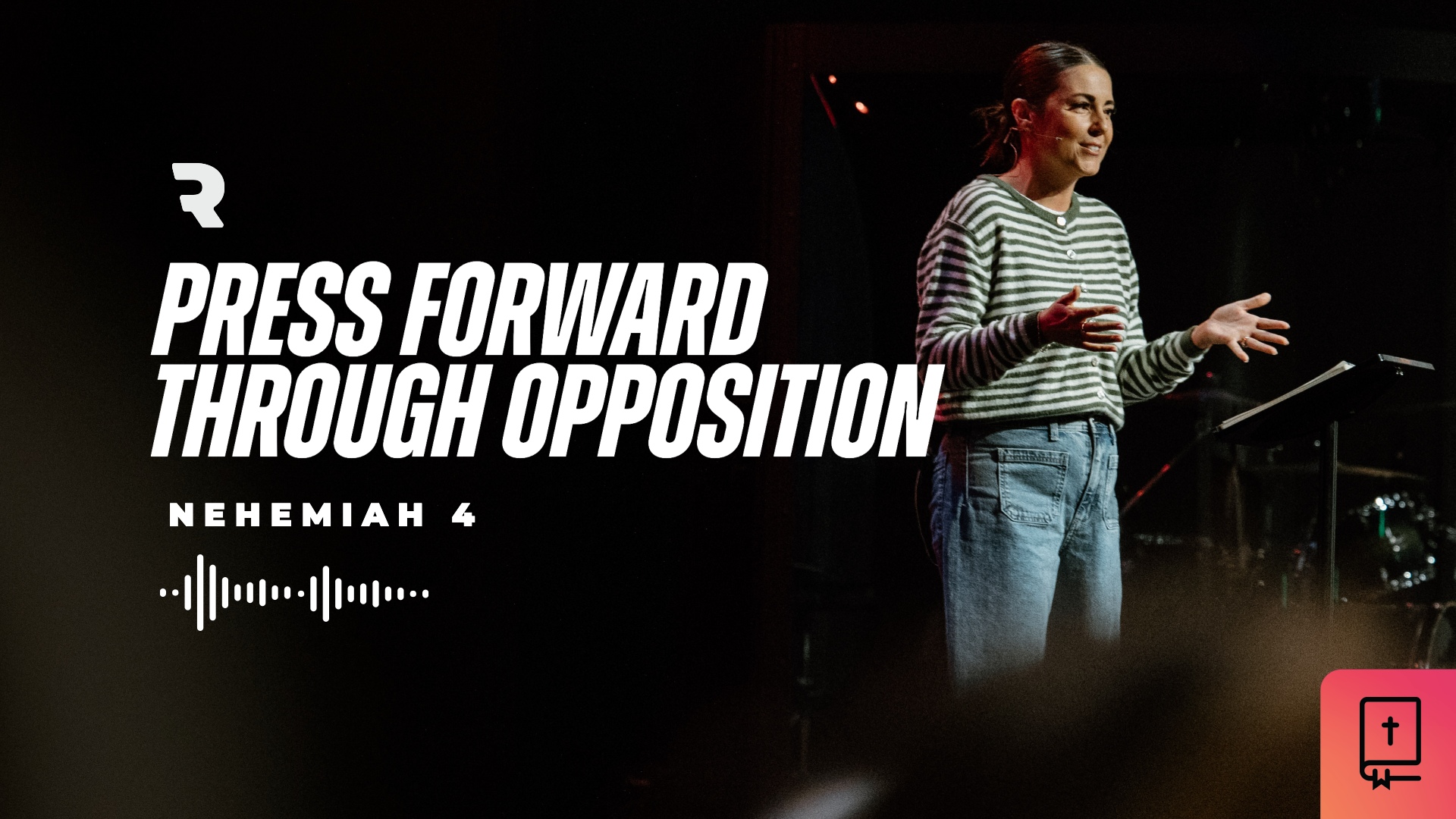
Stacey Cutshall -
PASSAGE
Matthew 25:14-23
RECENT SERMONS
The Rise Up Podcast explores what it looks like to follow Jesus with clarity, courage, and conviction in a complex cultural moment. Hosted by the team at Rise City Church, this podcast pulls back the curtain on the stories, decisions, and discipleship that shape a church committed to Saturating our City with the Gospel.
Rise Preaching Values
A Christo-Centric Hermeneutic
This may sound complicated, but, what it means is we interpret all of scripture through the life and teachings of Jesus.
We learn this from the New Testament epistles as they interpret all of Scripture through the lens of the Gospel. Without a Christo-Centric Hermeneutic (a.k.a. “Jesus-Centered Interpretation”) we can find ourselves teaching deistic moralism on one end, or feel-good self-help on the other. Ultimately, both fail us practically and eternally. In reality, Jesus is the only hero of Scripture—therefore, Jesus should be the culmination of every single sermon.
Expositional Preaching
What this means is the message of the sermon comes from the meaning of the text. John Stott says this: “To expound Scripture is to bring out of the text what is there and expose it to view. The expositor opens what appears to be closed, makes plain what is obscure, unravels what is knotted, and unfolds what is tightly packed.”
Paul admonishes the young church planter Timothy to “Preach the Word.” The power of preaching does not come from man-made wisdom or creative ideas; the power of preaching is in the Spirit-empowered exposition of the truths of who God is, how He loves, and how we are to respond to His Word. At Rise, we teach both through the books of the Bible and expositionally through themes found within the Scriptures.
Real-Life Application
Lastly, preaching must be applied to our actual, every-day lives. Preaching is not teaching people about the Bible; preaching is teaching people the way of Jesus with the Bible as our only authority.
The power of the Gospel is that it reaches into every aspect of our lives: from marriage and sexuality, to work and purpose, to wounds and broken relationships. When the Bible presents theological truth, it almost always weds that revelation to relational application. To paraphrase James 1:22, we are not just attempting to understand scripture, as followers of Jesus, we are called to live it out.